Biodiversity in the meadow
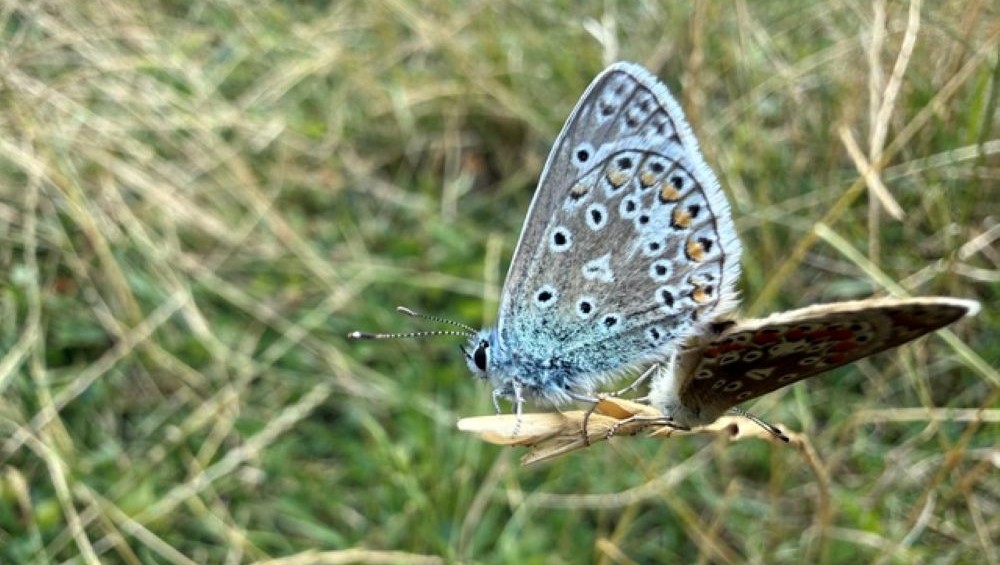
This is an exciting time for CREOS as the biodiversity in insect life seems to have flourished this year, undoubtedly due to the warm dry summer and spring.
Protecting A Vital Green Space In Crouch End

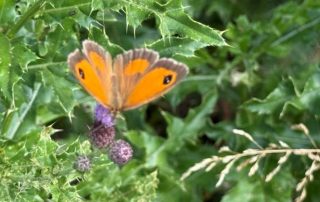
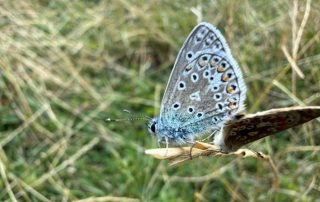
This is an exciting time for CREOS as the biodiversity in insect life seems to have flourished this year, undoubtedly due to the warm dry summer and spring.
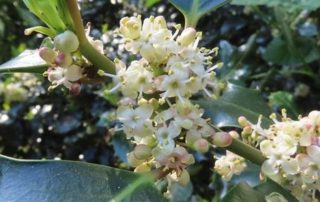
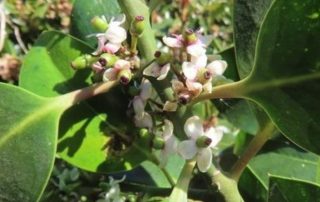
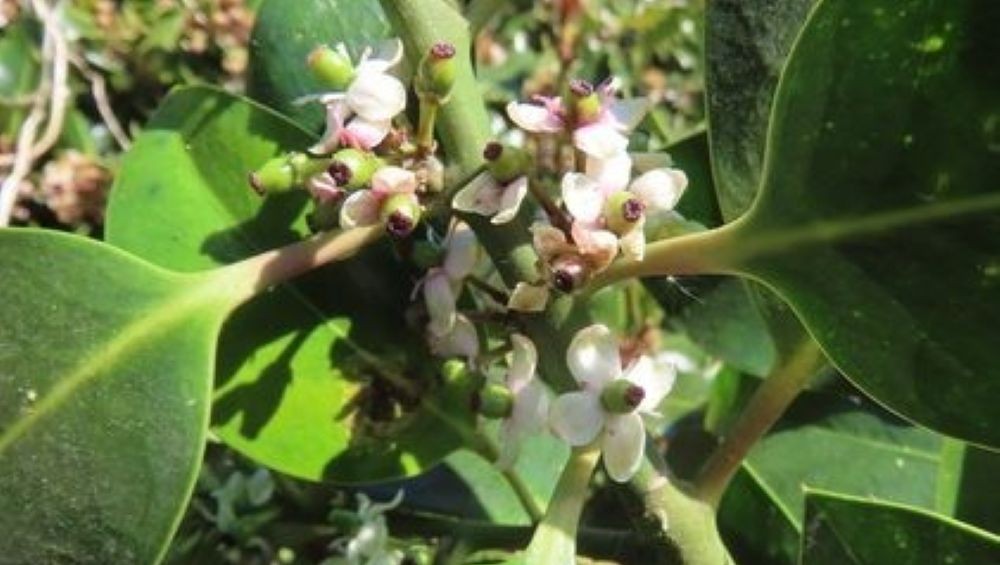
Holly (Ilex aquilifolium) is our only evergreen native flowering plant tree.
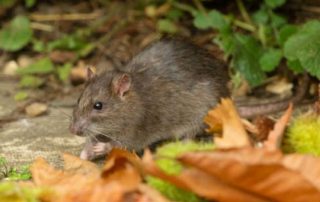
There have been concerns about an increase in rats on the CREOS paths this spring.
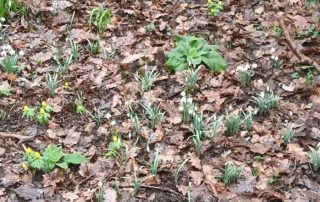
Despite being in the middle of a wet winter, it is pleasing to see plant life thriving near the entrance to the CREOS woodland walks.
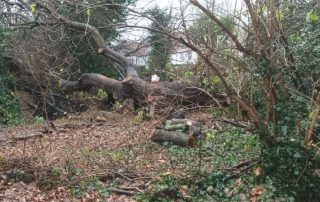
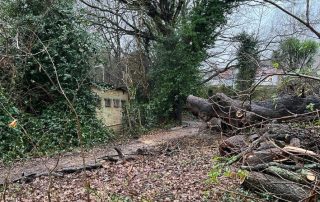
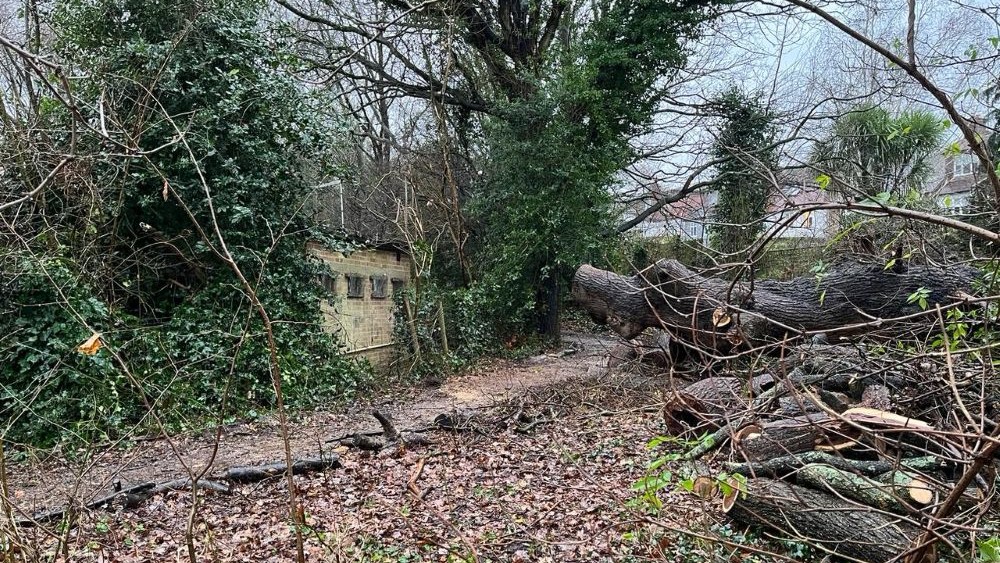
We are sorry to report that one of our old oak trees has fallen over, by the pathway that runs beside the Hanley Tennis Club. Fortunately the clubhouse escaped damage as far as we are aware.
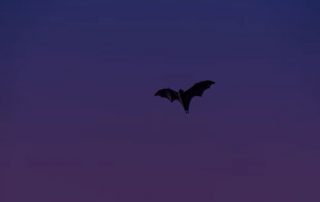
On a fine August evening a group of CREOS members gathered together to go in search of bats in the CREOS woodland.

The Wild Service Tree, with an average lifespan of 100-200 years and a height of up to 15 metres, is one of the best indicator species of ancient woodlands in southern England
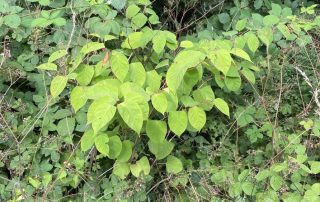
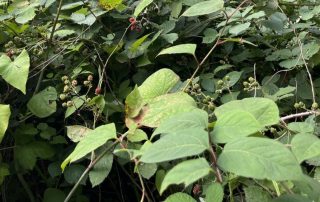
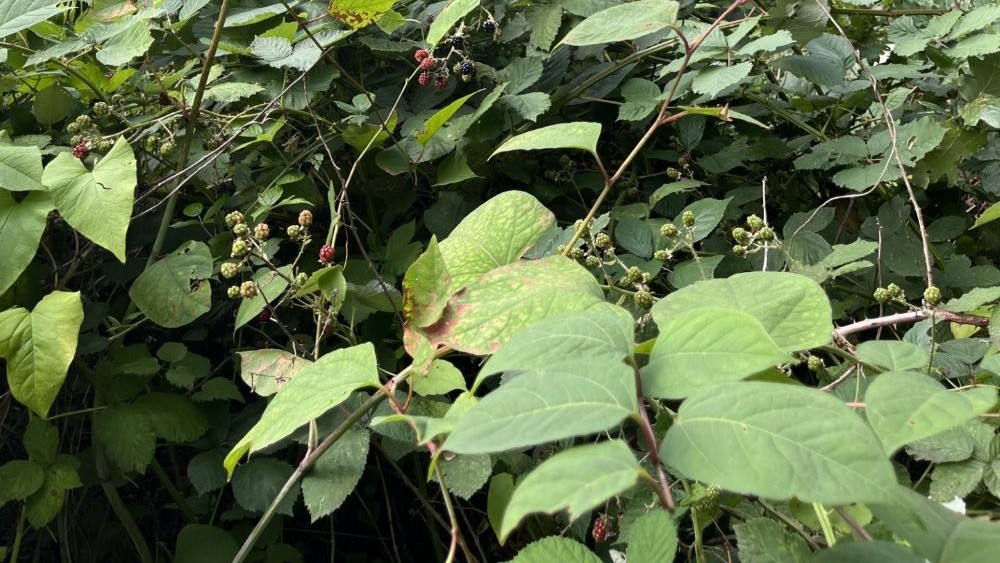
There has been a persistent problem with Japanese knotweed (Fallopia japonica) in the CREOS area. It is pleasing to report that this is now well on the way to eradication.
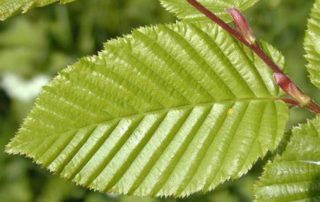
The hornbeam is one of the most versatile British trees. Freestanding mature specimens, with their characteristic conical crowns, have considerable amenity value, whilst the wood, the hardest of any tree in Europe, provides valuable timber for furniture.

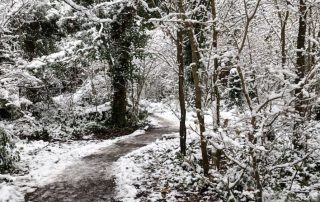
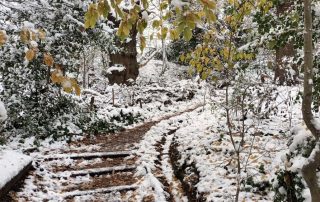
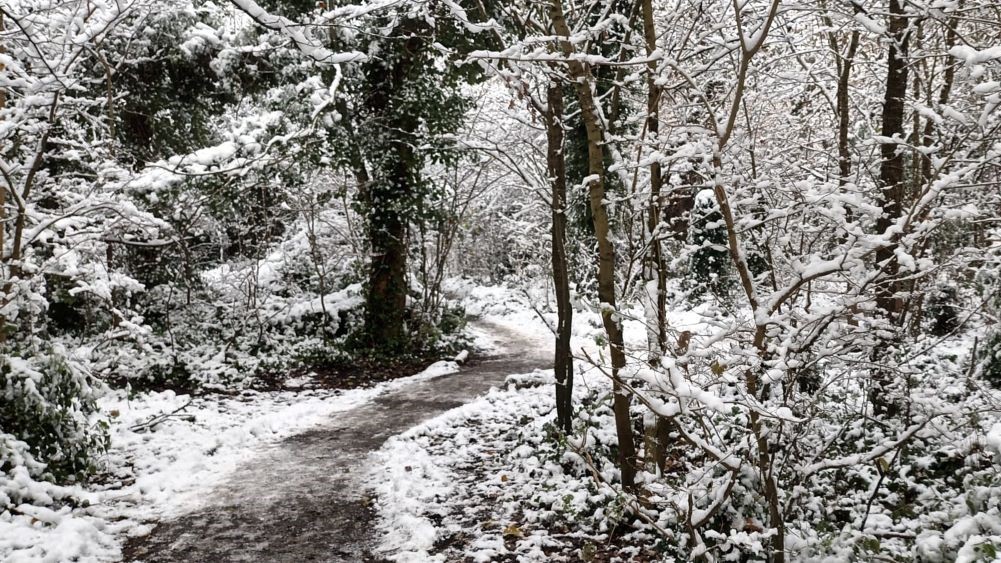
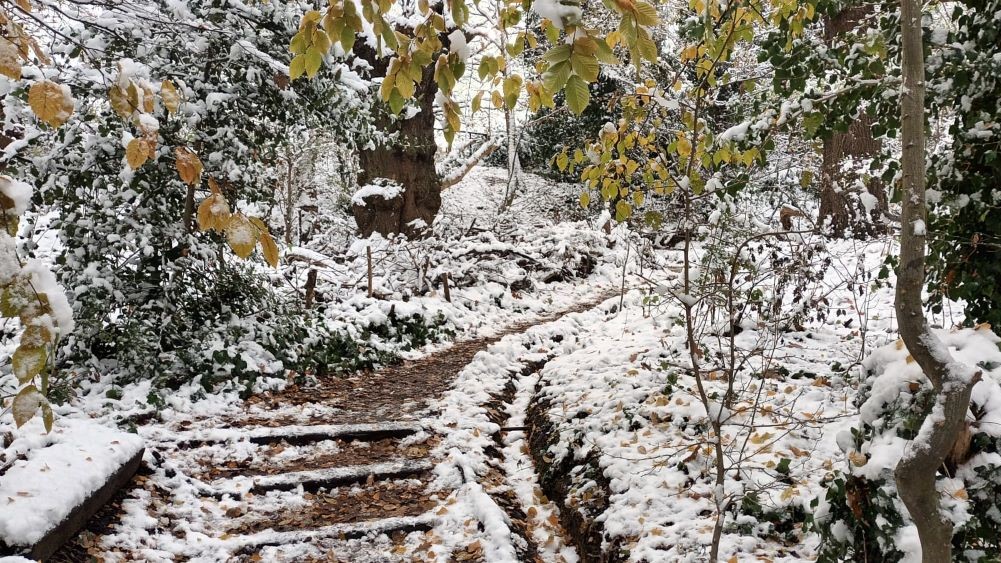
The night of December 11th saw our first snowfall of the winter, and the cold temperature meant that the snow stayed on the ground for a week.